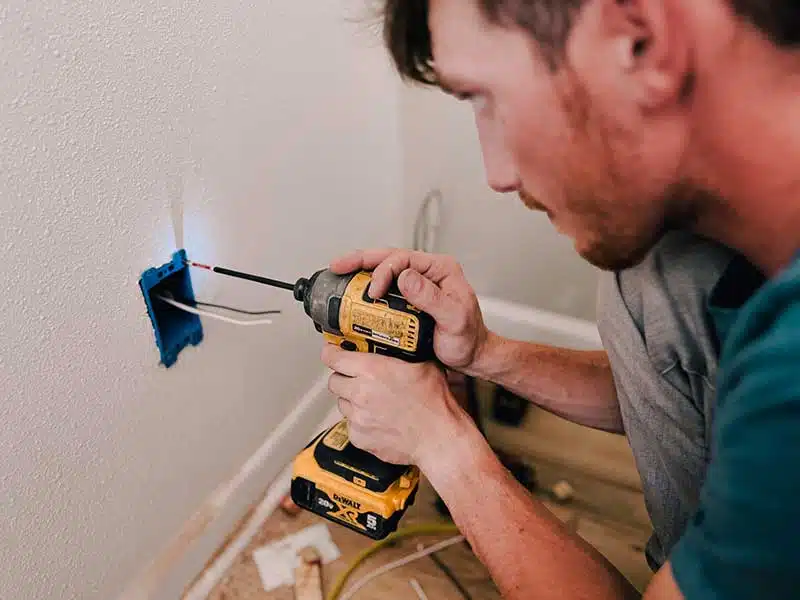
We've been in the field replacing and updating outlets lately, and while a receptacle may be one of the smallest parts of your electrical system, it's one you rely on every single day.
Outlets wear over time. Plugs that no longer fit snugly, discoloration, cracking, warmth, buzzing, or intermittent power can all be signs that a receptacle needs attention. Loose or poor connections are especially important to address, as they can cause overheating where the plug and receptacle make contact creating a potential fire hazard.
Electrical problems aren't rare. According to the U.S. Fire Administration, there were an estimated 23,700 residential electrical malfunction fires in the U.S. in 2023, resulting in 305 deaths, 800 injuries and approximately $1.5 billion in property loss.
TWO-PRONG, THREE-PRONG, & GFCI. OH MY!
If you live in an older home, you may have more than one type of outlet. They may look similar, but they don't necessarily provide the same protection.
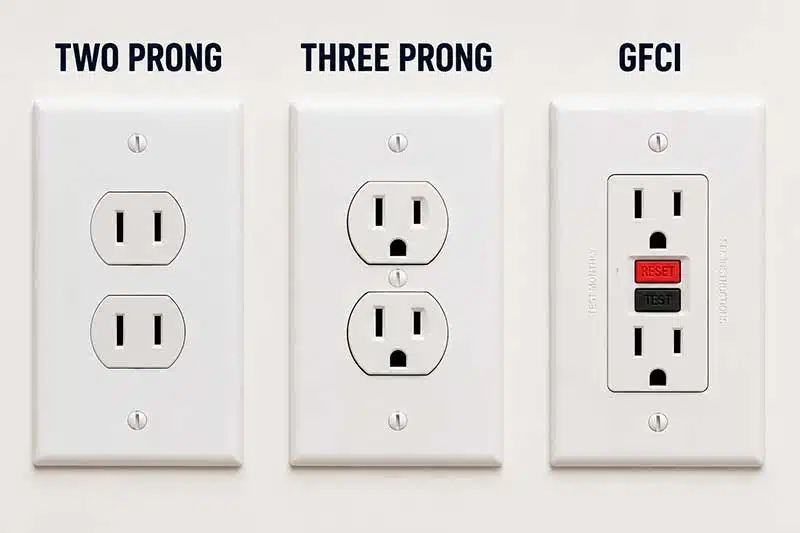
Two-prong outlets are commonly found in older electrical systems and don't have the third equipment grounding connection found on a standard grounded receptacle. Seeing them can be a clue that it's worth having the home's wiring evaluated before simply swapping them for three-prong outlets.
Three-prong outlets include that grounding connection when properly installed on a grounded system. That third opening isn't just there to accommodate modern plugs - the equipment grounding path is an important part of the electrical safety system.
GFCI outlets are designed primarily to protect people from electric shock by quickly interrupting power when they detect current flowing where it shouldn't. That's why GFCI protection is associated with locations where electricity and water are more likely to meet, such as kitchens, bathrooms, garages and outdoor areas.
A Note About GFCI Protection
WHEN SHOULD YOU HAVE AN OUTLET CHECKED?
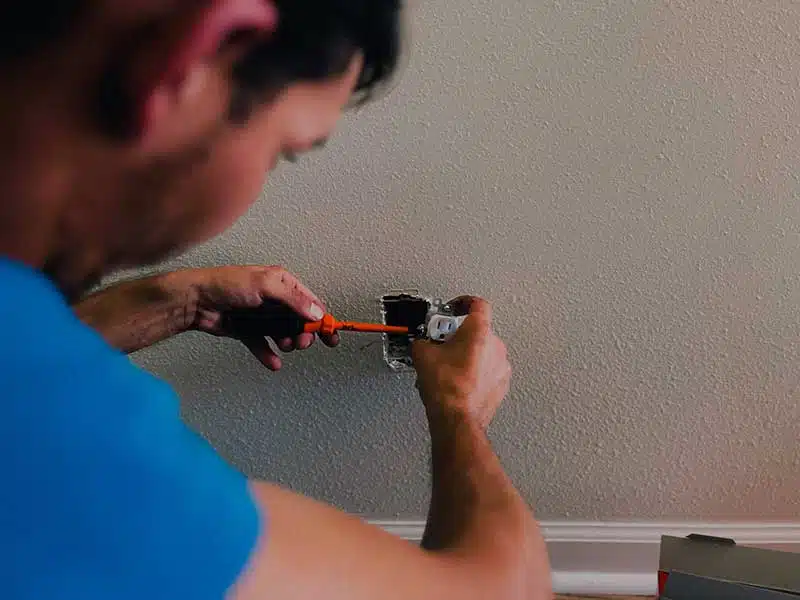
An outlet deserves a closer look if the plug feels loose, the face is cracked or discolored, you notice heat or a burning smell, it buzzes or crackles, or it stops working intermittently.
And if you've bought an older home with a mix of two-prong, three-prong and GFCI outlets, that's a good opportunity to have an electrician determine what's actually behind the wall. The goal isn't necessarily to replace every outlet with the same thing. It's to make sure each receptacle is appropriate for the circuit, location and electrical system serving it.
SMALL DEVICE. BIG JOB
At Sidera Electric, we're in the field every day helping homeowners keep the electrical systems they depend on safe, reliable and ready for what's next.
